
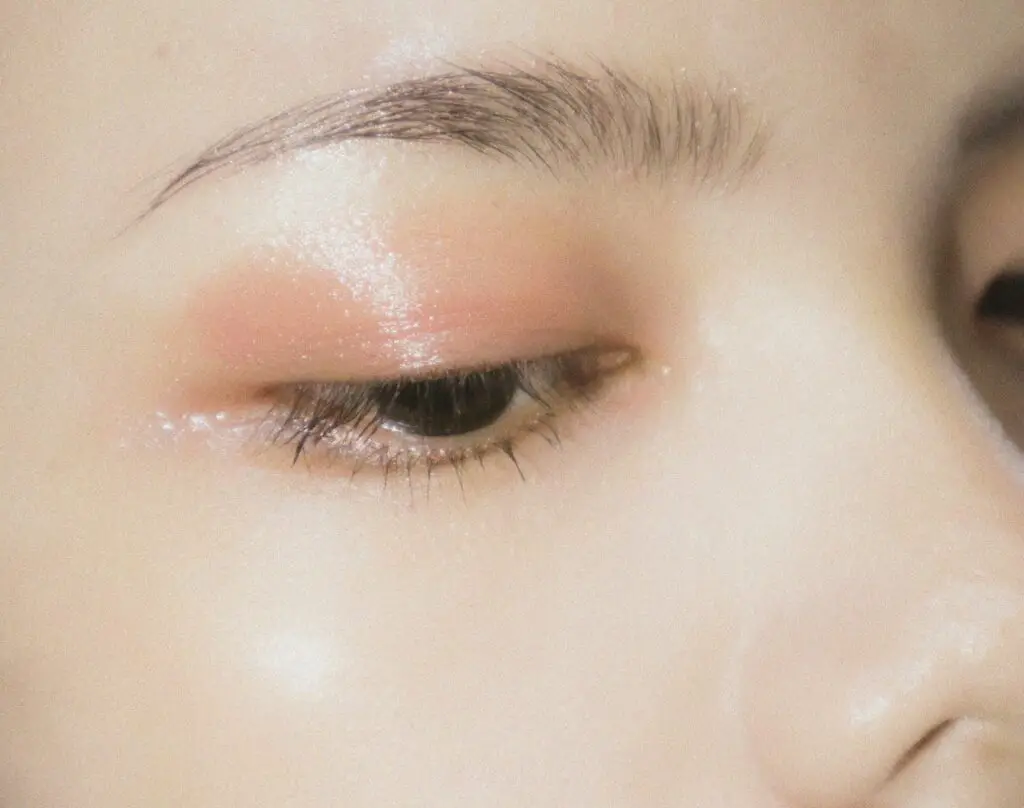
For years, Korean skincare has influenced beauty routines around the world. From glass skin and dewy complexions to innovative ingredients and gentle formulations, K-beauty has transformed the way many people think about skincare. Rather than focusing on covering imperfections with makeup, the Korean approach emphasizes nourishing the skin so it naturally looks healthy, hydrated, and radiant.
One of the most recognized aspects of Korean skincare is the famous 10-step routine. At first glance, ten steps may sound intimidating or time-consuming. However, the routine isn’t about using ten products every single day. Instead, it’s a flexible framework that encourages layering lightweight products that each serve a specific purpose.
Whether you’re completely new to Korean skincare or looking to improve your current regimen, understanding these ten steps can help you create a routine that suits your skin’s unique needs.
What Makes Korean Skincare Different?
Unlike traditional skincare routines that often focus on treating problems after they appear, Korean skincare emphasizes prevention. The philosophy centers on maintaining a healthy skin barrier through consistent hydration, gentle cleansing, and protection from environmental damage.
Rather than relying on harsh treatments, Korean skincare encourages the use of products with nourishing ingredients such as hyaluronic acid, centella asiatica, green tea, snail mucin, rice extract, and ceramides. These ingredients work together to support the skin over time instead of delivering quick but temporary results.
Another hallmark of K-beauty is layering. Lightweight products absorb more effectively when applied in sequence, allowing each ingredient to perform its intended function without overwhelming the skin.
Is the 10-Step Routine Right for Everyone?
Absolutely—but it doesn’t mean everyone needs all ten steps every day.
Some people may only use five or six products during their morning routine and reserve the full routine for evenings. Others may skip exfoliation several days a week or use face masks only occasionally.
Think of the 10-step routine as a menu rather than a checklist. You can customize it according to your skin type, lifestyle, and skincare goals.
Step 1: Oil Cleanser
The first cleanse removes oil-based impurities such as sunscreen, makeup, and excess sebum.
Oil attracts oil, making this cleanser particularly effective at dissolving stubborn products without stripping the skin. Even people with oily skin can benefit from oil cleansing because it helps maintain the skin’s natural moisture balance.
Massage the cleanser onto dry skin before adding water to emulsify it, then rinse thoroughly.
Step 2: Water-Based Cleanser

The second cleanse removes sweat, dirt, and any remaining residue left behind after oil cleansing. This step leaves your skin clean without feeling tight or dry. Choose a gentle cleanser with a low pH to help preserve the skin’s protective barrier. Double cleansing has become one of Korean skincare’s most popular techniques because it ensures the skin is thoroughly cleansed before applying treatment products.
Step 3: Exfoliation
Dead skin cells naturally accumulate over time, leading to dullness, clogged pores, and uneven texture.
Exfoliating one to three times per week helps reveal smoother, brighter skin while allowing other skincare products to penetrate more effectively.
Chemical exfoliants such as AHAs, BHAs, and PHAs are generally preferred because they exfoliate evenly and gently compared to harsh physical scrubs.
Avoid over-exfoliating, as doing so can damage the skin barrier and increase sensitivity.
Step 4: Toner
Modern Korean toners are very different from the alcohol-based toners many people remember.
Instead of drying the skin, Korean toners replenish hydration immediately after cleansing while balancing the skin’s moisture levels.
Applying toner also prepares your skin to absorb the products that follow.
Many people gently pat toner into the skin using their hands rather than applying it with a cotton pad.
Step 5: Essence
Essence is one of the defining products of Korean skincare.
Lighter than a serum but more concentrated than a toner, an essence delivers hydration while supporting skin renewal.
Depending on the formula, essences may improve brightness, elasticity, texture, or overall radiance.
Regular use often results in smoother, healthier-looking skin over time.
Step 6: Serum or Ampoule
Serums and ampoules provide targeted treatment for specific skin concerns. Whether you’re dealing with acne, pigmentation, fine lines, dehydration, or redness, there’s likely a serum formulated to address your needs. Popular ingredients include:
- Vitamin C for brightening
- Niacinamide for oil control and uneven skin tone
- Hyaluronic acid for hydration
- Centella asiatica for calming irritation
- Peptides for improving firmness
Only a few drops are typically needed, making these products highly concentrated and effective.

Step 7: Sheet Mask
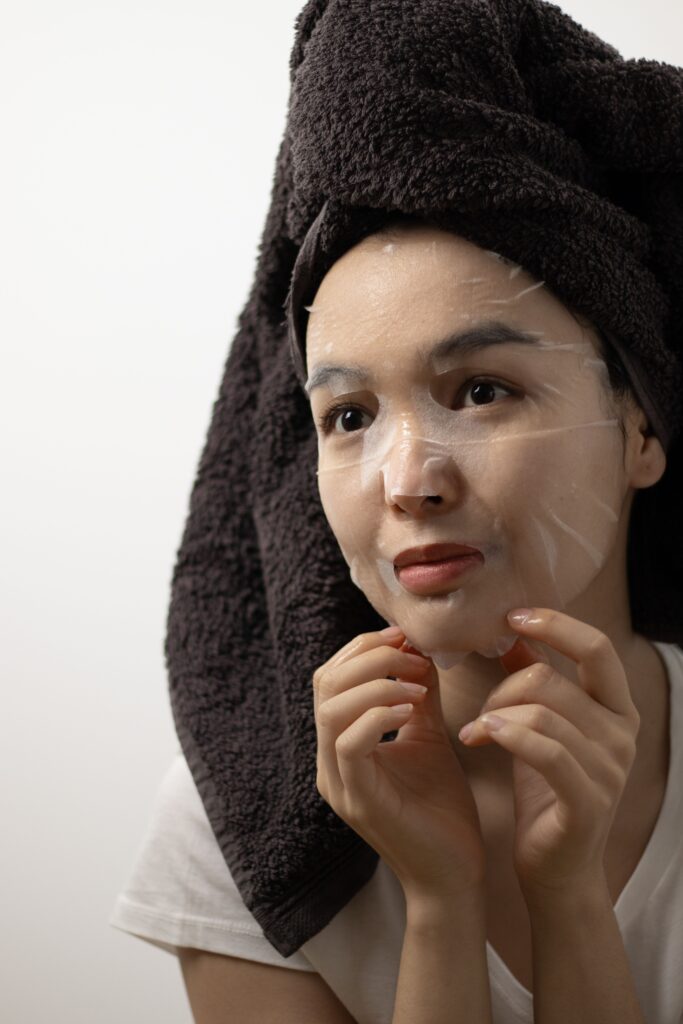
Sheet masks have become one of the most recognizable symbols of Korean skincare. These single-use masks are soaked in nourishing essence that delivers an intensive burst of hydration and beneficial ingredients. Most sheet masks are worn for 15 to 20 minutes before being removed. Instead of washing off the remaining essence, gently pat it into the skin. Although enjoyable, sheet masks aren’t necessary every day. Using one two or three times per week is sufficient for most people.
Step 8: Eye Cream
The skin around the eyes is thinner and often shows signs of aging before other areas of the face.
Eye creams help hydrate this delicate skin while addressing concerns such as puffiness, dark circles, and fine lines.
Apply a small amount using your ring finger with gentle tapping motions to avoid unnecessary pressure.
Step 9: Moisturizer
Moisturizer helps seal in all the hydration and active ingredients applied throughout the routine. This step strengthens the skin barrier while preventing moisture loss. Different skin types benefit from different formulations:
- Gel moisturizers for oily skin
- Lotion textures for combination skin
- Rich creams for dry skin
Consistent moisturizing is essential regardless of skin type.
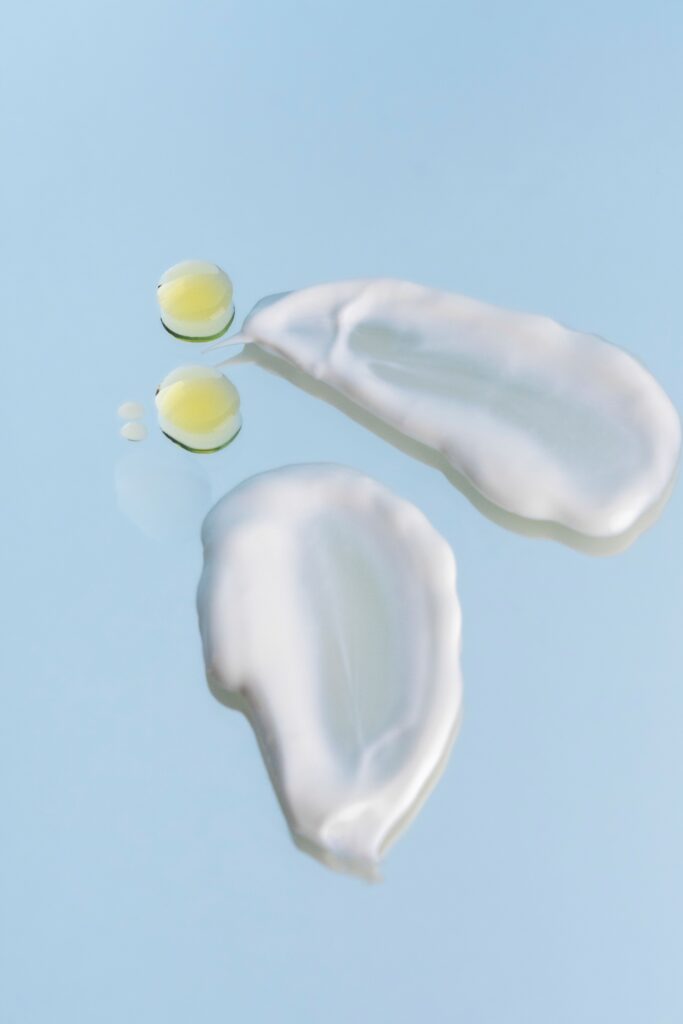
Step 10: Sunscreen (Morning)
No skincare routine is complete without sunscreen.
Daily sun protection helps prevent premature aging, hyperpigmentation, and sun damage while protecting the results of your skincare routine.
Choose a broad-spectrum sunscreen with SPF 30 or higher and apply it every morning, even on cloudy days.
Reapply every two hours when spending extended periods outdoors.
Common Myths About the 10-Step Routine
Myth 1: You Need All Ten Steps Every Day
Not true. The routine is fully customizable.
Myth 2: More Products Mean Better Results
Using too many active ingredients at once can actually irritate the skin. Consistency matters far more than quantity.
Myth 3: Korean Skincare Is Only for Women
Healthy skin benefits everyone. Korean skincare products are designed based on skin concerns, not gender.
How to Customize Your Routine
Dry Skin
Focus on hydration with moisturizing toners, rich creams, hydrating essences, and nourishing sheet masks.
Oily Skin
Choose lightweight gel moisturizers, oil-free sunscreens, and ingredients like niacinamide or BHA to help manage excess oil.
Sensitive Skin
Look for fragrance-free products containing soothing ingredients like centella asiatica, aloe vera, and ceramides. Introduce new products gradually.
Mature Skin
Include antioxidants, peptides, retinol (if tolerated), and deeply hydrating products to support elasticity and reduce the appearance of fine lines.
Tips for Beginners
If you’re just starting, don’t buy ten products all at once.
Instead:
- Start with a gentle cleanser.
- Add a moisturizer.
- Use sunscreen daily.
- Introduce toner and serum gradually.
- Add treatments only when your skin adjusts.
This gradual approach helps you identify which products work best while reducing the risk of irritation.
Final Thoughts

The 10-step Korean skincare routine isn’t about perfection or following a rigid set of rules. Its true purpose is to encourage thoughtful, consistent skincare that supports long-term skin health. Each step builds upon the previous one, creating a routine that cleanses, hydrates, protects, and nourishes the skin.
Remember that great skin doesn’t happen overnight. The most noticeable improvements come from consistency, patience, and choosing products that suit your individual skin type rather than simply following trends.
Whether you adopt all ten steps or simplify the routine to fit your lifestyle, the core principles of Korean skincare—gentle care, hydration, and daily sun protection—can help you achieve healthier, more radiant skin over time.